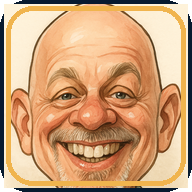

Jason Arday, a prominent University of Cambridge professor and advocate for inclusive education, was found dead in London. Arday's career drew international attention because he became one of Cambridge's youngest Black professors after overcoming significant early barriers. Authorities confirmed that Jason Arday was found dead. He was a professor at the University of Cambridge. The checked account from Associated Press supports those points through reporting, records, or clearly attributed statements. Claims by governments, companies, police or participants remain identified as claims unless the source record independently verifies them.
His scholarship focused on education, inequality and social justice. His appointment was widely reported as a barrier-breaking academic milestone. The university issued a response to his death. No verified cause of death was available in the checked report. Together, those details establish what changed by the edition deadline. They do not convert an early estimate into a final count or a stated intention into a completed result. Later records may refine dates and quantities without erasing the confirmed core.
Public interest in a prominent person does not justify speculation about private medical or investigative facts. Universities often coordinate notifications before releasing detailed statements. Career achievements can be documented separately from circumstances of death. This context explains the institutions, systems and constraints surrounding cambridge professor jason arday is found dead. It also keeps causation separate from correlation and prevents a broad trend from being used as unsupported proof about one event.
The cause and complete circumstances of death were not established in the checked evidence. The next documentary tests are an official coroner or police statement and memorial and institutional plans from cambridge. Until those records appear, the responsible account is bounded: report the verified development, preserve attribution, state the unknowns and avoid filling gaps with a plausible but unproven narrative.